Why Your Ambassador UGC Is Not Working As Well As It Should

Marcos Fonseca
Jun 26, 2026
4 minutes read

Key Takeaways
- Purpose Comes First: Ambassador content works better when each activity has a clear marketing goal.
- Volume Is Not Enough: More submissions do not always create assets the brand can reuse.
- Clear Tasks Improve Quality: Specific activities help ambassadors create content that answers real customer questions.
- Helpful Content Wins: Strong UGC shows the product in context, explains use cases and supports buyer confidence.
- Workflow Matters: Review, approval, permissions and tagging help turn submissions into usable marketing assets.
Ambassador Content Needs A Clear Purpose
Ambassador content can be one of the most useful outputs of a brand ambassador program. It can support organic social, email, product pages, landing pages, paid ads and product education. It can show how customers use a product in real life, answer practical questions and give future buyers context that polished brand photography may not provide.
But many brands ask ambassadors to “create content” without deciding what the content needs to accomplish. That is where the problem usually starts.
A brand may receive dozens of posts and still struggle to find a video that explains the product clearly, a photo that fits a product page, or a customer story that can be reused in an email campaign. The issue is rarely a lack of enthusiasm from ambassadors. More often, the activity did not give them enough direction.
That gap matters because user-generated content can influence customers throughout the buying journey. A 2025 review published in the Schmalenbach Journal of Business Research examined 342 research articles and found that UGC, including reviews and social posts, affects how customers engage with brands and make purchase decisions before, during and after a purchase.
Brands do not need more ambassador content for the sake of volume. They need a better way to turn participation into useful marketing assets.
More Ambassador Content Does Not Always Mean Better Content
A busy ambassador program can generate a steady stream of posts, photos and videos. That activity is valuable, but the number of submissions only tells part of the story.
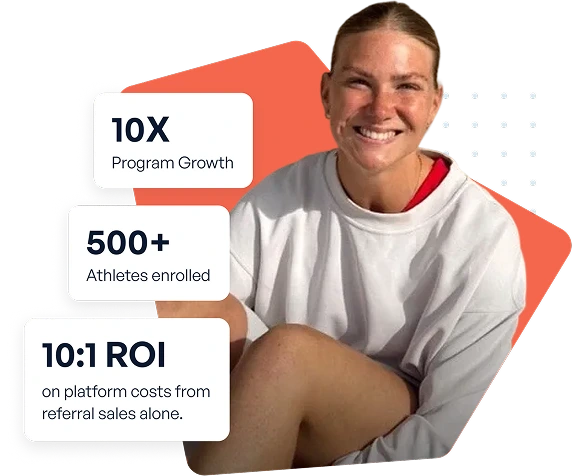
How U Perform Grew to 500+ Athlete Ambassadors with BrandChamp
Some content gives customers a clearer reason to trust the product. It shows how the product works, explains why someone uses it, answers a common question, or makes an unfamiliar feature easier to understand. Other content may still feel genuine, but offer less value outside the original post. A product photo with a short caption can be a nice contribution without necessarily giving the marketing team an asset they can reuse across product pages, email, social, or paid campaigns.
The difference often comes down to helpfulness. Research published in Information Processing & Management notes that the open nature of social media makes UGC quality uneven. The study argues that helpfulness is a useful way to measure the value and effectiveness of social content because useful information reduces confusion during purchase decisions.
Another study looked specifically at user-generated images in online reviews. It found that accuracy and relevance positively affected how helpful consumers found those images across different product types.
That is an important distinction for ambassador programs. The goal is not to make every submission look polished or professionally produced. It is to help ambassadors create content with enough relevance and detail to be useful.
A strong piece of ambassador UGC may show the product in a real setting, explain a specific benefit, demonstrate how it fits into a routine, or answer a question buyers frequently ask. Those details make the content more valuable without making it feel scripted. When ambassadors are simply told to “share a post,” those useful details are left to chance.

Weak Ambassador UGC Usually Starts With A Weak Activity
Ambassador UGC often falls short before the content is created. If an activity is vague, ambassadors have to decide for themselves what to feature, what to say, which format to use and what the brand considers a strong result. That makes participation less approachable and leaves the quality of the final content too dependent on individual experience.
A stronger activity starts with a clear purpose. The brand should know whether it needs social proof, product education, a product-page asset, an email testimonial, paid-ad creative, or organic social content. That decision should shape the prompt, the format and the level of guidance ambassadors receive.
A product-education activity might ask ambassadors to answer a common customer question. A product-page activity may need a clear photo, a short demonstration, or a testimonial tied to a specific use case. An activity designed for paid ads may call for a concise video with a clear hook, visible product use and one strong benefit. Organic social can allow more flexibility while still giving ambassadors a useful angle to work from.
The same principle applies at the community level. A program may generate plenty of UGC without creating a clear narrative around the brand. When activities are planned around shared themes, product messages, or use cases, ambassadors can reinforce the same ideas through their own experiences and voices. That coordination helps the brand extend its reach and build a stronger share of conversation without making the content feel repetitive.
The activity should still feel easy to understand. Ambassadors need enough direction to know what a useful contribution looks like without feeling like they are following a rigid script. A clear product focus, a practical angle, a few relevant talking points and a simple submission process can make a significant difference.
This structure benefits both sides. The brand receives more relevant content that can be reviewed, approved and reused across different channels. Ambassadors gain confidence, improve their content and understand how their contribution fits into the wider program.
Clear, Structured Tasks Create Better Content And Better Engagement
Good ambassador activities should feel easy to start and satisfying to complete. That does not mean the task needs to be effortless. It means the ambassador should understand the assignment immediately and see a clear path to finishing it well.
This is especially important because many ambassadors are enthusiastic customers before they are experienced creators. They may have a strong product story, useful knowledge and a real connection with the brand, but still need help shaping that experience into content.
A clear task gives them an easy win. Instead of asking for “a video about the product,” a stronger activity might ask an ambassador to record a short video showing how they use the product during their morning routine and explain the one feature they value most.
The same distinction applies across different formats. “Post about the product” leaves the ambassador to decide what the content should accomplish. “Show how you use the product during your morning routine and explain why it fits into your day” gives the post a clearer focus. “Share your favorite product” can become “Choose your favorite product, show it in use and explain who you would recommend it to.” “Create a product review” can become “Answer one question you had before buying the product and explain what you learned after using it.”
These activities still leave room for the ambassador’s own voice. The brand is not scripting every word or forcing everyone to create the same post. It is giving ambassadors enough direction to understand what makes the contribution useful. Format also matters. A study compared graphic and short-video UGC across five experiments. Both formats influenced purchase intention, but short video had a stronger effect. The researchers also found that personal experience helped reduce the perceived distance between the consumer and the product.
That does not mean every ambassador activity should ask for video. A product page may need a clear image. An email campaign may benefit from a written testimonial. A social campaign may need a short clip that shows the product in action. The format should match the purpose. Clear tasks can also improve ambassador engagement because they reduce hesitation. When people know what the brand is looking for, they are more likely to participate and more likely to feel good about the result.
That sense of progress makes the program more rewarding. Ambassadors are not simply completing tasks. They are becoming better at creating content, learning more about the brand and producing work that may be featured or reused across marketing channels.

Feedback Loops Improve Future Ambassador UGC
A good ambassador program should not send content into a void. When ambassadors submit a photo, video, or review, they should have some sense of what happens next. Was the content approved? Did the marketing team find it useful? Was it featured on social, added to a product page, or selected for a campaign?
Those moments are valuable because they show ambassadors what strong content looks like in practice. If a video worked well because it showed the product clearly and answered a common customer question, the ambassador should know that. If a submission missed the mark because the product was difficult to see or the caption lacked detail, a short explanation can help the next submission improve.
The same feedback helps the brand. If several ambassadors misunderstand the same activity, the prompt may need more clarity. If one question consistently produces better content, the brand can use that insight when designing future activities.
A stronger workflow gives every useful submission a clear path:
- Review: Check whether the content matches the activity instructions and intended marketing purpose.
- Approval: Confirm whether the asset is ready to use or whether a small adjustment would make it stronger.
- Usage rights: Make sure the brand has permission to reuse the content across the relevant channels.
- Tagging: Label approved assets by product, format, topic, use case and channel so the team can find them later.
- Reuse: Move strong submissions into the content library and identify where they can support social, email, product pages, landing pages, or paid campaigns.
That does not need to become a complicated approval process. The goal is to make good content easier to recognize, organize and reuse.
Over time, the brand gains a clearer understanding of which activities work, which formats create the most value and which ambassadors are becoming especially strong creators. Ambassadors gain something too. They receive clearer feedback, build confidence and see that their work has a purpose beyond completing an activity.

Turn Ambassador Content Into Marketing Assets
Strong ambassador UGC starts with a clear reason for creating it. Brands should know whether they need content for product education, social proof, email, landing pages, product pages, paid campaigns, or organic social before launching an activity. That decision should shape the prompt, the format, the examples and the approval process.
The goal is not simply to collect more content. A smaller library of relevant, useful assets can create more value than a large folder of posts the marketing team cannot easily reuse.
A stronger program helps ambassadors create content that feels natural while giving the brand material it can confidently use across different channels. As ambassadors become more familiar with the product and more comfortable with the process, the quality of their contributions can improve.
That is when ambassador content becomes more than a side benefit of the program. It becomes a reliable source of product stories, customer education and social proof from people who understand the brand.
BrandChamp helps brands turn ambassador participation into reusable marketing assets through structured activities and submission management. Brands can create clearer content tasks, collect submissions and keep useful assets organized in one place. Book a demo and learn how BrandChamp can help you build a stronger ambassador program.
Why does ambassador content sometimes fail even when ambassadors are active?
Activity does not always translate into useful content. Ambassadors may be posting often, but if the task is too vague, the brand may receive content that is hard to reuse across product pages, email, paid ads, or organic social. Clearer activities help connect participation to a specific marketing purpose.
How specific should an ambassador content instructions be?
Content instructions should be specific enough to guide the ambassador, but not so rigid that the final content feels scripted. Instead of asking someone to “post about the product,” brands can ask them to show the product in a real situation, answer a common buyer question, or explain one use case in their own words.
What makes ambassador UGC more useful for the marketing team?
Useful UGC usually has a clear product focus, visible context and enough detail to help future customers. A short video showing how someone uses the product, a testimonial tied to a specific concern, or a photo that fits a product page will often be more valuable than a generic post.
Why should brands decide the content goal before creating the activity?
The goal determines the activity, format and review process. Content meant for a product page may need a clear visual and specific use case, while content for organic social can be more flexible. When the goal is unclear, ambassadors have to guess what the brand actually needs.
How can feedback improve future ambassador content?
Feedback helps ambassadors understand what strong content looks like. If a submission works well because it answers a customer question or shows the product clearly, the ambassador should know that. Over time, this helps the brand improve its activity instructions and helps ambassadors create more useful content.
Marcos Fonseca
Content writer covering ecommerce growth, customer advocacy and brand community strategy.
Subscribe our newsletter
Subscribe to get our latest news, features, and any updates.
Share article to:
How BrandChamp helped brands

Learn how sports nutrition brand U Perform transformed its ambassador program with BrandChamp—streamlining recruitment, automating rewards, and growing from a founder-led network to a scalable, revenue-generating community.