The Problem With Treating Ambassador Programs Like Influencer Campaigns

Marcos Fonseca
Jun 29, 2026
4 minutes read

Key Takeaways
- Program First: Ambassador programs need an ongoing structure, not a cycle of disconnected campaign requests.
- Campaigns Have A Role: Influencer-style activations work best when they support the program, not replace it.
- Participation Builds Value: Ambassadors become stronger contributors as they learn the product, create content and stay involved.
- Reach Is Limited: Product knowledge, trust and community involvement can matter more than audience size alone.
- Measure Beyond Output: Track retention, repeat activity, UGC quality, referral strength and community engagement.
Ambassador Marketing Strategy Starts With A Different Goal
Ambassador programs and influencer campaigns can look similar from the outside. Both may involve social posts, product mentions, discount codes and content creation. But the strategy behind each model is different.
Influencer campaigns are often designed around a defined objective, such as reaching a specific audience, supporting a product launch, or creating momentum around a campaign. Ambassador programs serve a different purpose, with more emphasis on continued participation, product familiarity, community involvement and ongoing advocacy.
When brands apply the same campaign logic to both, they can limit the value of their ambassador program. Instead of developing a community of informed advocates, they end up managing a series of disconnected promotional moments.
This distinction matters as creator-led marketing becomes a more established part of the media mix. IAB projected U.S. creator ad spend to reach $37 billion in 2025, up 26% year over year. As investment grows, brands need to be clearer about the role each creator relationship is meant to play.
Influencer marketing can be highly effective when the structure matches the goal. But brands need a different ambassador marketing strategy when they want to develop long-term advocacy alongside campaign performance.
Influencer Campaigns Are Built Around Defined Objectives
Influencer campaigns usually have a defined window, clear deliverables and performance goals tied to reach, engagement, clicks, conversions, or content output.
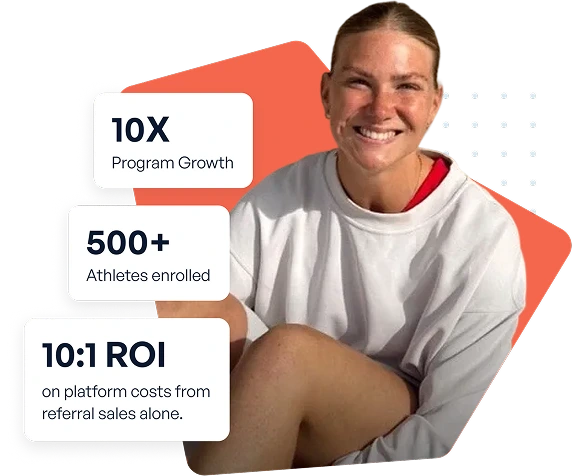
How U Perform Grew to 500+ Athlete Ambassadors with BrandChamp
That structure works well for product launches, seasonal promotions, market expansion and other moments when a brand wants to reach a specific audience quickly. Research published in the Journal of Business Research supports this use case: a 2025 study on new product launch events found that influencers can help shape brand perception and expand a brand’s social network.
The brand gains access to an established audience. The creator produces content around a defined message. The campaign is evaluated against a specific objective.
The issue begins when this same structure becomes the default way to manage ambassadors. Ambassadors are often key community members who understand the product, know the brand and can contribute across multiple touchpoints. A campaign-only approach may still generate content and links, but it can miss the distinct value of an engaged ambassador community.

Ambassador Programs Create Compounding Value
A strong ambassador marketing strategy becomes more valuable as ambassadors participate, learn the brand, create content, refer customers, join community conversations and stay active over time.
Each interaction can strengthen the next one. An ambassador who understands the product can make better recommendations. A better recommendation can lead to a stronger referral. Recognition can encourage the ambassador to participate again. Over time, that involvement creates more familiarity, stronger advocacy and a more reliable group of people the brand can activate.
Ambassadors can also become an ongoing source of valuable, high-quality content. As they gain more experience with the product and understand what the brand needs, they become better positioned to create useful UGC, answer common customer questions and show the product in real situations. Alongside campaign-based creator content, brands can build a more stable flow of relevant assets from ambassadors who already know the product and community.
That kind of value usually develops through continued participation. It complements the focused value that campaign activations can create. It comes from giving ambassadors a reason to stay involved and become more capable contributors over time.
The Mistake: Turning Every Ambassador Activity Into A Campaign
Many brands unintentionally manage ambassador programs as a series of disconnected campaign requests. They ask for a post, send a brief, track the output and move on. Then the same pattern repeats with the next activation.
This can leave willing ambassadors waiting. Someone may complete an activity and be ready to contribute again, but have no clear next step until the brand launches another campaign. Campaigns can still play an important role inside an ambassador program. The issue is when they become the entire program.
A stronger structure gives ambassadors useful ways to participate between larger activations. That might include creating a short product demonstration, answering a common customer question, submitting a review, sharing product feedback, completing a short educational activity, or testing an upcoming release.
Each activity should connect to a clear goal, such as generating stronger UGC, improving product knowledge, collecting feedback, or encouraging more informed referrals.
Brands can also create a simple always-on rhythm. A weekly activity might invite ambassadors to share a product tip or answer a customer question. A monthly activity might focus on a more substantial contribution, such as a review, short video, or feedback round.
Over time, ambassadors learn more about the product, improve their contributions and become more confident advocates. The brand gains more consistent value without having to restart engagement with every campaign.
Ambassador Value Extends Beyond Reach
Reach matters, but it does not capture the full value of an ambassador. An ambassador with a smaller audience may still create useful content, answer product questions, refer stronger-fit customers, share credible recommendations and help other people in the community feel more confident about the brand.
This becomes particularly important in product categories where customers need context before making a decision. An informed ambassador can explain how a product fits into daily life, answer practical questions and speak from direct experience. Those interactions may not create a dramatic spike in impressions, but they can influence how customers understand the product and whether they trust the recommendation.
Ambassadors can also strengthen the social fabric around the brand. The most valuable contributors do more than publish posts. They start conversations, encourage participation and help customers feel connected to a community rather than a promotional feed.
That contribution is easy to overlook when brands evaluate an ambassador program primarily through campaign-level metrics. Impressions, clicks and engagement rates can show how a piece of content performed. They cannot fully show whether an ambassador is educating customers, improving the quality of community conversations, creating reusable content, or becoming more credible over time.
A useful measurement framework needs to capture both sides: immediate performance and the deeper value ambassadors build through repeated participation.

Ambassador Engagement Needs Structure And Development
If brands want ambassadors to stay active, they need more than occasional posting instructions. A stronger program gives people a clear path for participation. That can include tiers, milestones, rewards, recognition, varied activities, product education, community activities and regular communication.
Structure matters because ambassadors need to know how to participate, what kind of contributions matter and how they can progress. Without that clarity, the program can start to feel like a loose collection of tasks. With it, ambassadors have clearer reasons to remain involved.
Development matters too. Brands can gain more value by helping ambassadors become better creators, not simply asking them to post. That might mean offering product education, content guidance, examples, feedback, early access, or a closer look at what the brand is building.
When ambassadors understand the product and the community more deeply, they can create better content and speak with more confidence. Their involvement can also help them build an identity and following as creators in their own right.
This creates value on both sides. The brand gains stronger advocacy from people who know the product and community. Ambassadors gain more direction, visibility and influence as creators.
The point is not to remove campaigns. It is to place them inside a broader structure that develops ambassadors rather than treating every interaction as a standalone request.
Measure The Value That Builds Over Time
Brands still need performance data, but the metrics should reflect the model. Instead of measuring only impressions, clicks and one-time campaign results, brands should also track active ambassador rates, repeat participation, ambassador retention, referral activity, UGC quality and consistency, activity completion, reward redemption, tier progression and community engagement.
These metrics show whether ambassadors are staying involved, improving their contributions and creating value beyond a single activation. A practical framework separates campaign performance from ambassador program health. Campaign metrics include reach, impressions, clicks, conversions and content output. Ambassador health metrics include active ambassador rate, repeat participation, retention, UGC quality and consistency, referral activity and tier progression.
Both sets of metrics matter, but they answer different questions. Campaign metrics show how one activation performed. Ambassador health metrics show whether the program is becoming stronger and more valuable over time.
A smaller group of ambassadors who consistently produce useful content, support the community and refer stronger-fit customers may be more valuable than a larger group that only responds to occasional campaign tasks.
This does not mean influencer campaigns and ambassador programs need to compete for the same role. They support different objectives and can work together inside a broader marketing strategy.
Influencer campaigns can help brands reach new audiences and create focused momentum. Ambassador programs can deepen relationships and turn continued participation into a more stable source of advocacy, content and community influence.
Some creators may participate in both models at different times, depending on the brand’s goals and the nature of the relationship. A campaign may involve a clear brief, deliverables and a deadline. An ambassador program adds opportunities for continued participation through product education, community access, recurring activities, feedback and recognition. The difference is not always the person. Often, it is the structure around the relationship.

Turn Ambassador Marketing Into A Long-Term Growth Channel
Ambassador programs need their own strategy, structure and success metrics. When brands focus only on short-term campaign output, they risk losing the engagement, retention, community and trust that make these programs valuable.
A stronger approach gives ambassadors clear reasons to stay involved, contribute regularly and advocate for the brand beyond a single campaign moment. It uses campaigns when they make sense, but does not let campaign thinking define the program.
Influencer campaigns and ambassador programs can both create value when they are built around the right goals. The key is giving ambassadors a structure that supports continued participation, stronger product knowledge and a closer relationship with the brand.
BrandChamp helps brands manage ambassador programs as an ongoing growth channel, with the tools to organize activities, rewards, content, referrals and community participation in one place. Book a demo to see how BrandChamp can help you build a more active ambassador program.
Can influencer campaigns be part of an ambassador marketing strategy?
Yes. Influencer-style campaigns can support an ambassador program when they are used for specific moments, such as a product launch, seasonal promotion, or content push. The issue is when every ambassador interaction is treated like a campaign. Ambassadors also need ways to stay involved between those larger activations.
Why can campaign-style thinking limit ambassador programs?
Campaign-style thinking can make ambassador programs too focused on short-term output, such as posts, codes, links, or one-time engagement. That activity can still be useful, but it does not always build product knowledge, stronger recommendations, community involvement, or repeat participation. Over time, the program may miss the long-term value ambassadors can create when they have a clearer structure and ongoing reasons to stay involved.
What should ambassadors do between larger campaign activations?
Between larger activations, ambassadors should have structured ways to keep participating. That might include creating product tips, answering common customer questions, submitting reviews, sharing product feedback, testing upcoming releases, joining community conversations, or completing short educational activities. These touchpoints help keep the program active and give ambassadors more context for future content and referrals.
Why is reach not enough to measure ambassador value?
Reach can show how many people might see a post, but it does not show whether the ambassador is actually helping customers understand the product. A smaller ambassador with strong product knowledge and community trust may create better content, stronger referrals and more useful conversations than someone with a larger but less relevant audience.
How should ambassador programs balance always-on activities with campaign moments?
Ambassador programs should use always-on activities as the foundation, then add campaign moments when there is a specific launch, seasonal push, or content need. Regular activities keep ambassadors engaged, informed and connected to the brand, while campaigns give that existing community a focused reason to activate around a timely goal.
Marcos Fonseca
Content writer covering ecommerce growth, customer advocacy and brand community strategy.
Subscribe our newsletter
Subscribe to get our latest news, features, and any updates.
Share article to:
How BrandChamp helped brands

Learn how sports nutrition brand U Perform transformed its ambassador program with BrandChamp—streamlining recruitment, automating rewards, and growing from a founder-led network to a scalable, revenue-generating community.
More from BrandChamp